Embossed Printing



Embossed Printing vs. Other Premium Finishes
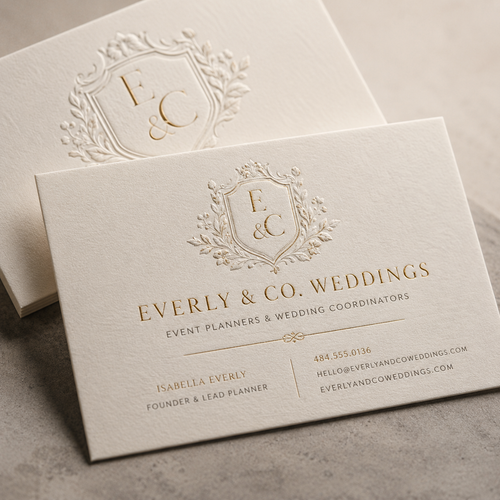
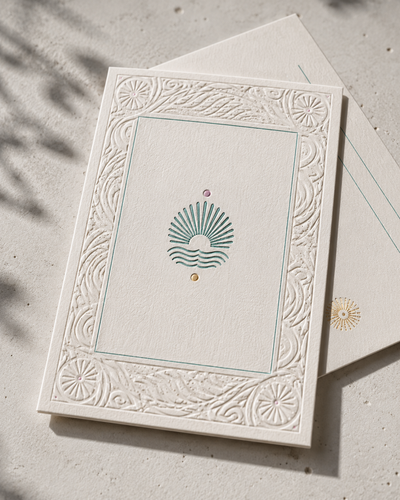
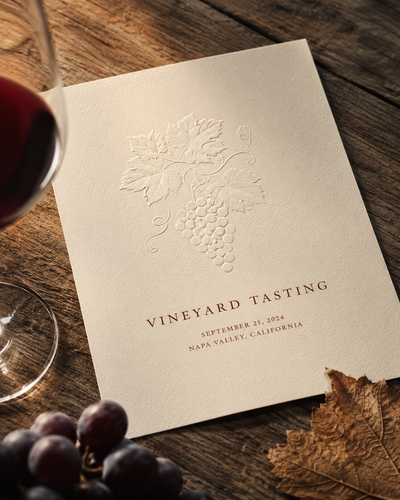
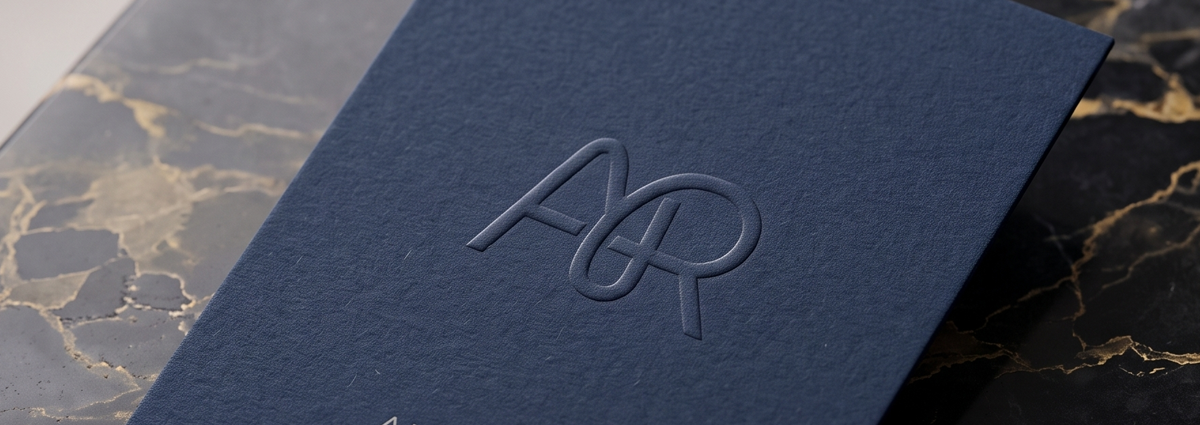
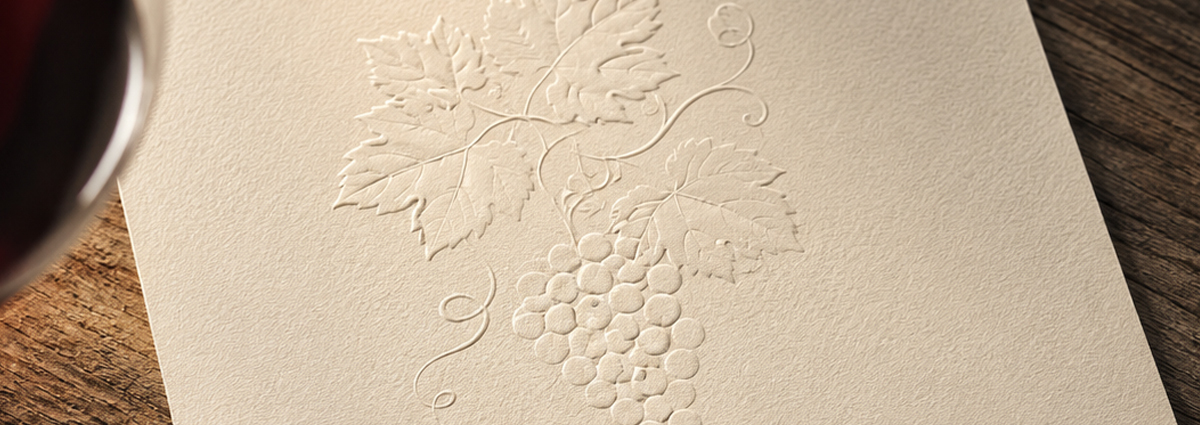
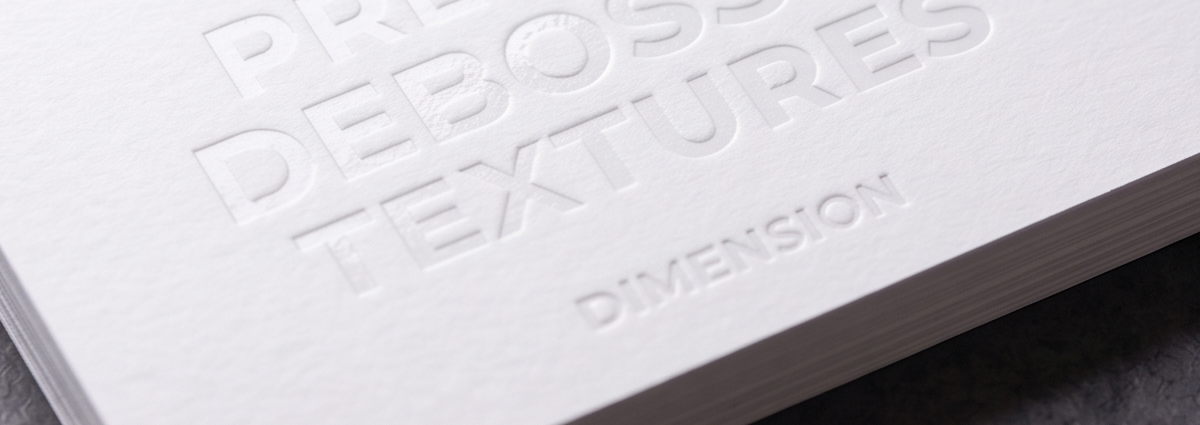
- Embossing/Debossing: Raised or recessed texture, no color or shine required. Best for a subtle, high-end tactile detail.
- Foil stamping: Reflective, metallic shine. Best when you want maximum visual impact. See our Foil Stamped Printing page.
- Spot UV: Glossy contrast on a matte surface. Best for drawing attention to a single design element. See our Spot UV Printing page.
- Die cutting: Custom shapes rather than surface texture. Often combined with embossing for a fully custom piece. See our Die Cut Printing page.
Curious how embossing fits alongside other tactile and dimensional finishes? Our post on 3D business cards covers where embossing, foil, and raised finishes all fit into that conversation.
Who Uses Embossed Printing
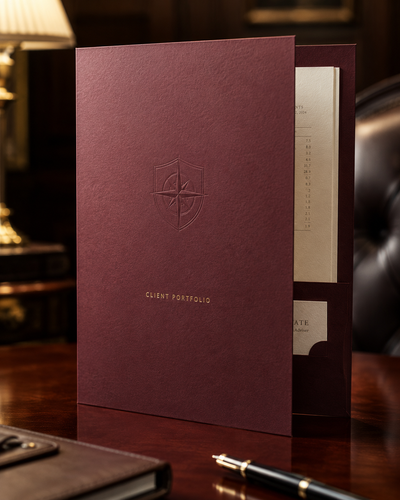
- Law firms and financial services — a blind emboss on letterhead or a folder reads as established, serious, and trustworthy
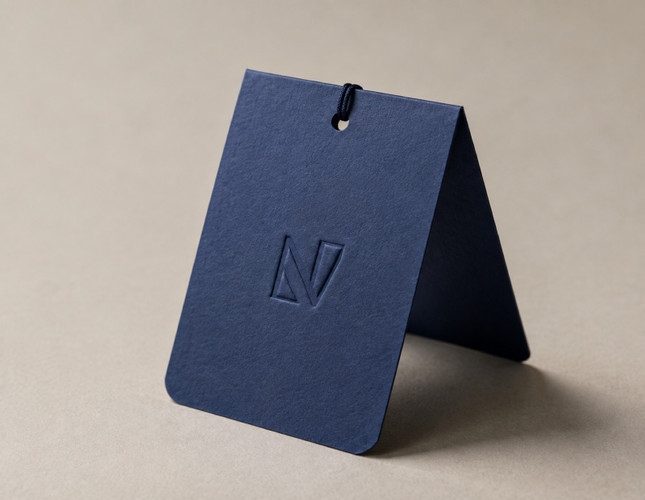
- Luxury and legacy brands — texture that signals quality without needing bold color or shine
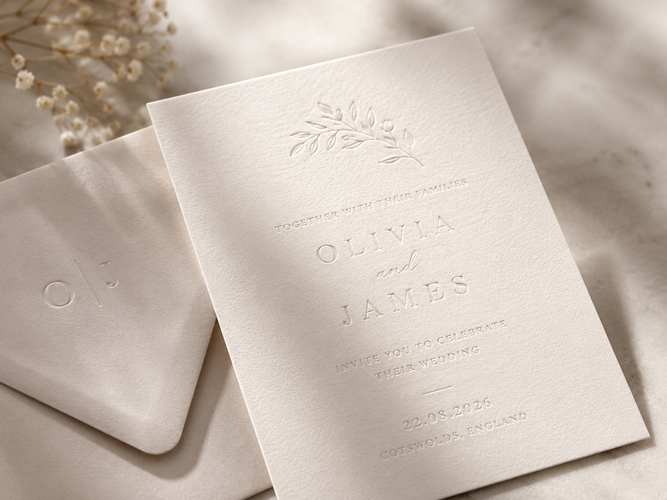
- Wedding and event stationers — a debossed monogram or design on an invitation feels intentional and high-craft
- Corporate identity packages — embossed folders and letterhead that carry a consistent, tactile brand experience
- Any business that wants a premium detail that doesn't compete with the rest of the design for attention
Frequently Asked Questions
What's the difference between embossing and debossing? Embossing raises the design up out of the paper; debossing presses it down into the paper. Both use the same die-and-pressure process — the difference is just the direction.
Does embossing use ink or color? Not necessarily. Both "blind embossing" and "blind debossing" use no ink or foil at all — just texture, raised or recessed. Either can also be combined with foil stamping or standard ink for a colored, textured effect.
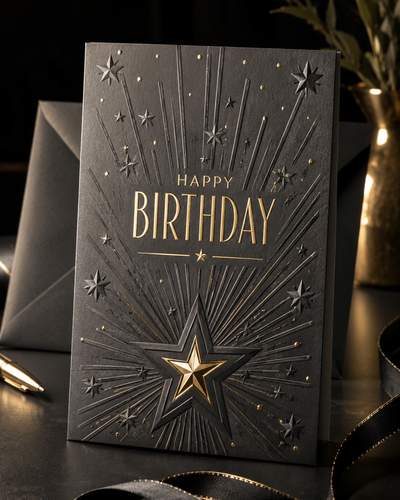
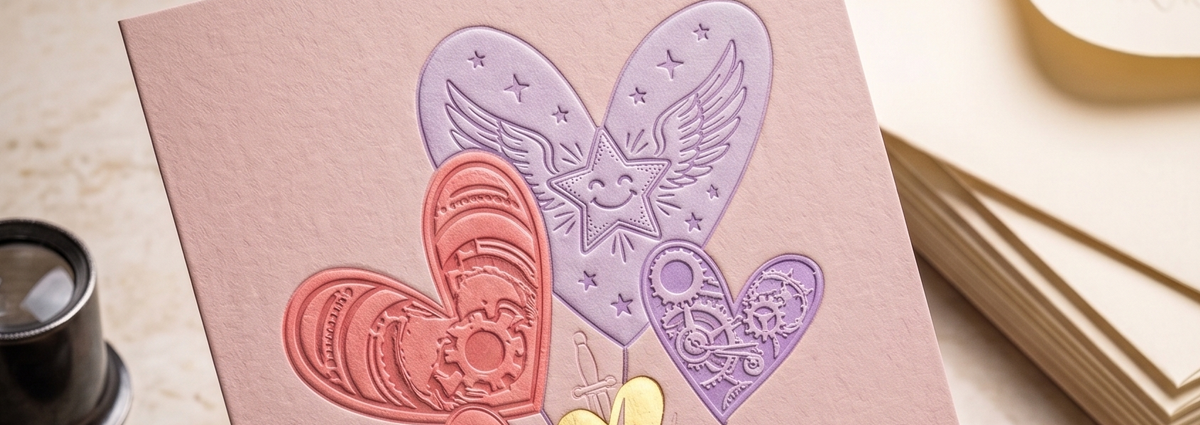
Can I combine embossing with foil stamping? Yes — this is one of our most popular combinations. The foil provides color and shine while the embossing adds raised texture, giving you both effects in the same design element.
What products can I get embossed? Business cards, postcards, folders, and letterhead today, with bookmarks and additional products coming soon. If you don't see your product listed, ask — embossing can typically be applied to most paper-based print pieces.
Do I need a special file for embossing? Yes. Like foil stamping, embossing requires a separate file showing exactly where the raised or recessed effect should be applied, in addition to your regular print-ready artwork. Our team can walk you through setting this up if needed.
Combine Embossing With Other Specialty Finishes
Embossing gets even better paired with:
- Foil stamping — color and shine layered with raised texture
- Spot UV — glossy contrast layered with raised texture for two tactile effects working together
- Painted or foiled edges — added color and thickness around the border
- Rounded corners — a softer overall feel to match the subtlety of an emboss
- Die cutting — a custom shape to go with your custom texture. See our Die Cut Printing page.
Not sure if embossing is the right call, or if your design would pop more with a different finish? Send us your logo and we'll tell you honestly what would help it stand out — see our full Specialty Print Finishes lineup, or head straight to Embossed Business Cards to start your order.
 |
 |
 |
 |