What Is Spot UV? Spot UV vs Spot Gloss & Raised Spot UV
27th Apr 2026
What Is Spot UV? Spot UV vs. Spot Gloss vs. Raised Spot UV
Spot UV is one of the most popular premium print finishes for business cards, postcards, brochures, invitations, packaging, and other custom printed materials. It adds a clear glossy coating to selected areas of a design, creating contrast, shine, and a more polished finished look.
If you have ever seen a business card where the logo, pattern, name, or design accent catches the light while the rest of the card stays matte or soft-looking, you were probably looking at spot UV printing. This finish is also commonly called spot gloss, and in most cases, spot UV and spot gloss mean the same thing.
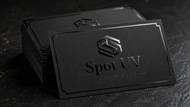
Spot UV is especially popular for spot UV business cards because it gives a clean, modern card more visual impact without covering the entire surface in gloss. Instead of making the whole card shiny, the gloss is applied only where you want attention.
What Is Spot UV?
Spot UV is a print finishing process where a clear gloss coating is applied to specific areas of a printed piece. The word spot means the coating is applied selectively, while UV refers to the ultraviolet light used to cure or harden the coating.
Unlike full gloss coating, which covers the entire surface, spot UV is used only on chosen parts of the artwork. This allows you to highlight important design elements while keeping the rest of the piece more subtle.
Spot UV can be applied to:
- Logos
- Company names
- Personal names
- Icons
- Borders
- Patterns
- Background textures
- Headlines
- Design accents
- QR code frames or call-to-action areas
The result is a glossy highlight that reflects light and adds visual contrast. On a matte or soft-touch surface, this contrast can make the design feel more premium, more dimensional, and more intentional.
Is Spot UV the Same as Spot Gloss?
Yes. In most printing conversations, spot UV and spot gloss refer to the same type of finish.
Spot UV is the more technical print term because it refers to the UV curing process used to harden the gloss coating. Spot gloss is the more descriptive term because it explains what the finish looks like: selected areas of glossy coating.
A simple way to understand it:
- Spot UV: The technical production term
- Spot Gloss: The customer-friendly description
Both usually describe a clear, glossy coating applied only to selected parts of a printed design. So if one printer offers spot UV business cards and another offers spot gloss business cards, they are usually talking about the same general finish.
Why Spot UV Is Used in Printing
Spot UV is used because it creates contrast without overwhelming the design. A full gloss card can sometimes look too shiny, but spot UV gives you more control. You can keep most of the card clean and understated while adding gloss only to the areas that matter most.
This is why custom spot UV business cards are so effective. The finish can make a logo stand out, add depth to a background pattern, or create a subtle effect that people notice when the card moves in the light.
Spot UV works well when you want:
- A premium look without metallic foil
- Gloss contrast on a matte-style surface
- A modern and polished business card
- A subtle design effect that feels high-end
- More attention on your logo, name, or brand mark
- A cleaner alternative to heavy decoration
What Is Raised Spot UV?
Raised spot UV is similar to standard spot UV, but the gloss coating is applied in a thicker layer. This creates a raised, tactile effect that you can both see and feel.
Standard spot UV is usually smooth and relatively flat. Raised spot UV has more height and texture. It sits above the surface of the card and creates a stronger dimensional effect.
In simple terms:
- Spot UV / Spot Gloss: A flat glossy coating applied to selected areas
- Raised Spot UV: A thicker glossy coating that creates height and texture
Raised spot UV is often used for premium business cards, luxury packaging, high-end invitations, and custom marketing materials where the goal is to create a stronger physical impression.
Spot UV vs. Raised Spot UV
The biggest difference between spot UV and raised spot UV is texture. Both finishes add gloss, but raised spot UV adds noticeable height.
Standard Spot UV
- Creates a glossy highlight
- Usually feels smooth and mostly flat
- Works well for logos, patterns, icons, and accents
- Creates contrast through shine
- Feels clean, modern, and professional
- Usually more subtle than raised spot UV
Raised Spot UV
- Creates a glossy highlight with added height
- Feels raised to the touch
- Adds more dimension and texture
- Creates contrast through shine and physical depth
- Feels more dramatic and premium
- Works best on larger design elements with enough space
If you want a clean gloss accent, standard spot UV is usually the better choice. If you want more texture, more dimension, and a stronger luxury effect, raised spot UV business cards may be the better option.
When to Use Spot UV Business Cards
Spot UV business cards are a good choice when you want a professional card with a little extra visual impact. They are especially effective when paired with clean layouts, darker backgrounds, matte-style finishes, bold logos, and simple typography.
Spot UV works well for:
- Real estate agents
- Consultants
- Designers
- Photographers
- Creative studios
- Tech companies
- Personal brands
- Marketing agencies
- Luxury service businesses
- Professional service providers
For many brands, spot UV is the right balance between subtle and premium. It gives the card more personality without making it feel overdesigned.
When to Use Raised Spot UV Business Cards
Raised spot UV business cards are a better choice when you want the gloss effect to be more noticeable. Because the coating has height, it creates a stronger tactile impression than standard spot UV.
Raised spot UV works especially well for:
- Luxury brands
- High-end personal brands
- Boutique businesses
- Beauty and wellness brands
- Nightlife and hospitality brands
- Creative professionals
- Premium product companies
- Brands that want a more tactile business card
Raised spot UV is often used on logos, monograms, large typography, bold patterns, icons, and design elements that have enough size to show off the raised effect clearly.
Spot UV vs. Foil Stamping
Spot UV and foil stamping are both premium business card finishes, but they create very different effects.
Spot UV creates a clear glossy effect. It does not add metallic color. It works by reflecting light through gloss and contrast.
Foil stamping applies metallic or pigmented foil to selected areas of the design. It is used when you want shine, color, and a more metallic luxury effect.
If you want selective gloss, choose spot UV business cards. If you want metallic shine, explore foil stamped business cards. If you want raised texture instead of shine, embossed business cards may be another strong option.
Spot UV vs. Embossing
Spot UV adds gloss. Embossing adds raised texture. Both can make a printed piece feel more premium, but they do it in different ways.
Embossing physically raises part of the paper or card stock. It is often used for logos, initials, monograms, and simple design elements. Spot UV adds a glossy coating to selected areas but does not physically raise the paper the same way embossing does.
Raised spot UV sits somewhere between the two because it adds gloss and height. It does not create the exact same effect as embossing, but it does add a tactile raised detail.
Best Design Ideas for Spot UV
Spot UV works best when it is used with intention. The goal is not to gloss everything. The goal is to choose the right areas so the finish adds contrast and focus.
Strong spot UV design ideas include:
- A gloss logo on a matte black business card
- A subtle gloss pattern across the background
- A glossy border around the card
- Spot gloss initials or a monogram
- A gloss icon or brand mark
- Gloss accents behind full-color printing
- A tone-on-tone design where the spot UV appears only when light hits it
Spot UV is especially strong on dark backgrounds because the gloss catches the light and creates a more dramatic contrast. It can also work well on lighter cards when used with clean typography or subtle design accents.
Best Design Ideas for Raised Spot UV
Raised spot UV works best when the design elements are large enough to show the height and texture clearly. Because the coating is thicker, it needs enough space to look clean and professional.
Good raised spot UV design ideas include:
- A raised gloss logo
- Raised initials or monogram
- Large raised typography
- Raised geometric patterns
- Raised icons or symbols
- Raised borders or design accents
Very small text, thin lines, and tiny details may not be ideal for raised spot UV. Larger, cleaner design elements usually produce a stronger result.
Artwork Setup for Spot UV and Raised Spot UV
Spot UV and raised spot UV usually require a separate mask file. This file tells production exactly where the gloss should be applied.
For a spot UV mask, the areas that should receive gloss are typically shown in solid black, while the areas that should not receive gloss are left white.
- Use 100% black for spot UV areas.
- Use white for areas with no spot UV.
- Keep spot UV artwork aligned with the main print file.
- Avoid very small text or extremely thin lines.
- Use high-resolution artwork at 300 DPI.
- Submit print files in CMYK color mode.
- Include at least 0.125 inches of bleed.
- Keep important text and design details safely away from the trim edge.
If you need help preparing your spot UV or raised spot UV artwork, contact Sales@printshaQ.com and our team can help review the setup.
Common Mistakes to Avoid with Spot UV
Spot UV can look excellent when the design is set up properly, but it works best when the effect is used with restraint.
Common mistakes include:
- Using spot UV on too many parts of the design
- Applying spot UV to tiny text that may not reproduce cleanly
- Using extremely thin lines for gloss areas
- Creating a mask file that does not align with the print file
- Choosing a design with too much clutter
- Expecting spot UV to look like metallic foil
- Choosing raised spot UV for details that are too small
The strongest spot UV designs usually have a clear focal point. A logo, pattern, border, or bold design element can be enough to make the card feel more premium.
Which Option Should You Choose?
Choose standard spot UV if you want a clean, modern gloss effect that adds contrast without too much texture. It is a strong choice for professional business cards, minimalist branding, dark card designs, and subtle premium details.
Choose raised spot UV if you want a more noticeable tactile finish with more height and dimension. It is better for designs that need a stronger luxury feel and more physical presence.
Choose foil stamping if you want metallic shine, color, and a more reflective luxury finish. Spot UV is glossy and clear, while foil stamping is metallic or pigmented.
Final Thoughts: Spot UV, Spot Gloss, and Raised Spot UV
Spot UV is a selective gloss finish that makes certain parts of a printed design stand out. It is also commonly called spot gloss, and the two terms usually describe the same thing.
The main difference to understand is between spot UV and raised spot UV. Standard spot UV creates a flat glossy highlight, while raised spot UV creates a thicker, elevated gloss effect with more texture.
Both options can make your business cards and printed materials feel more polished, modern, and memorable. The right choice depends on whether you want subtle shine or a more tactile premium effect.
Explore spot UV business cards, raised spot UV business cards, or browse all custom business card printing options from printshaQ.