
What Is Foil Stamping? How It Works, Types of Foil, When to Use It, and Whether It’s Worth It
22nd Apr 2026
What Is Foil Stamping? How It Works, Types of Foil, When to Use It, and Whether It’s Worth It
If you have ever picked up a business card, invitation, or letterhead with a metallic shine that instantly felt more expensive, there is a good chance you were looking at foil stamping.
Foil stamping is one of the most effective ways to make printed pieces look more refined, more memorable, and more premium. It is used on everything from luxury packaging to high-end stationery, but it is especially popular for brands that want to make a stronger first impression with print.
So what is foil stamping exactly? How does it work? What kinds of foil are available? What is the difference between hot foil stamping and cold foil? And is it worth paying more for?
Here is what you need to know.
What Is Foil Stamping?
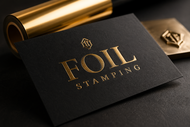
Foil stamping is a specialty printing process that applies a thin layer of metallic, pigmented, or holographic foil to paper using heat, pressure, and a custom die.
Unlike standard ink printing, foil stamping does not print color onto the sheet in the usual way. Instead, it transfers foil onto specific parts of the design. That is what creates the reflective, eye-catching effect people associate with premium printed products.
This finish is often used to highlight logos, names, borders, monograms, taglines, or design elements that deserve extra attention. On the right project, foil stamping can make a printed piece feel sharper, cleaner, and much more luxurious than standard flat printing alone.
Foil stamping is especially popular for:
- business cards
- invitations
- letterhead
- postcards
- presentation folders
- packaging
- certificates
- premium marketing materials
For brands that want a polished, upscale image, foil stamping is one of the best specialty finishes available.
How Does Foil Stamping Work?
Foil stamping works by using a metal die, heat, and pressure to press foil onto the surface of the paper.
The basic process looks like this:
- A design is created for the area where the foil will appear.
- A custom die is made based on that design.
- The die is heated and pressed against the foil and the paper stock.
- The foil adheres only where the die applies heat and pressure.
The end result is a crisp, reflective design element that sits on the surface of the sheet and stands out visually in a way that regular ink usually cannot.
Because foil stamping uses a die, it is considered a premium finishing method rather than a basic print option. That custom setup is part of what gives it such a high-end appearance.
What Does Foil Stamping Look Like?
Foil stamping can look elegant, bold, understated, modern, or dramatic depending on how it is used.
Some foil stamped pieces have a subtle, minimal touch, like a small gold logo in the corner of a letterhead. Others are designed to make a louder statement, such as a bright metallic name on a thick business card or a shimmering border on an invitation.
The most common visual qualities of foil stamping are:
- reflectivity
- crisp detail
- higher contrast
- a clean premium finish
- a more luxurious presentation
When people talk about luxury business cards or premium printed invitations, foil stamping is often one of the features they have in mind.
For example, foil stamped business cards are popular because they combine everyday networking with a finish that immediately feels more intentional and more memorable.
Types of Foil
One reason foil stamping is so versatile is that there is more than one kind of foil. The right choice depends on your brand, your design, and the kind of impression you want to make.
Metallic Foil
This is the most recognizable type of foil. It includes finishes like gold, silver, rose gold, copper, and other metallic tones.
Metallic foil is ideal for brands that want a classic premium look. Gold foil often feels elegant and established. Silver can feel sleek and modern. Rose gold tends to feel softer and more stylish.
Pigmented Foil
Pigmented foil is non-metallic and comes in solid colors. It does not have the same mirror-like shine as metallic foil, but it still offers a rich, opaque finish.
This can be a great option if you want the bold look of foil without the traditional metallic appearance.
Holographic Foil
Holographic foil creates a more dynamic, multi-dimensional effect that shifts with light. This style is more playful, more visual, and usually more attention-grabbing.
It is less common for conservative branding and more common for creative, fashion-forward, or promotional applications.
Matte Foil and Specialty Foils
Some foil options are less shiny and more subdued. Others include textured or specialty effects. These are useful when a brand wants the prestige of foil without an overly flashy result.
Hot Foil Stamping vs Cold Foil: What’s the Difference?
If you are researching foil printing, you may come across both hot foil stamping and cold foil. While they can create a similar metallic look at a glance, they are not the same process.
What Is Hot Foil Stamping?
Hot foil stamping is the more traditional method and is what most people mean when they talk about foil stamping for premium print. It uses a heated die and pressure to transfer foil onto the paper.
This method is especially popular for high-end printed materials because it produces a sharp, clean, polished look that feels intentional and upscale.
What Is Cold Foil?
Cold foil uses adhesive and curing rather than a heated die to apply the foil. In many cases, it is used in larger commercial print applications or jobs that need a different production workflow.
Cold foil can still create metallic effects, but it is usually discussed more in commercial printing contexts than in specialty premium business card printing.
Which One Feels More Premium?
For most luxury stationery and premium business card applications, hot foil stamping is generally the more premium-looking option. It is more closely associated with specialty finishing, refined detail, and upscale printed products.
That is one reason hot foil stamping is so common on business cards, invitations, letterhead, and other pieces where first impressions matter.
Hot Foil vs Cold Foil at a Glance
- Hot foil stamping: uses heat, pressure, and a die
- Cold foil: uses adhesive and curing rather than the same heated die process
- Hot foil stamping: more commonly associated with luxury and premium print finishing
- Cold foil: more often discussed in larger commercial printing workflows
- Hot foil stamping: usually the better fit for premium business cards and upscale stationery
For a brand that wants a classic high-end foil effect, hot foil stamping is typically the stronger choice.
When to Use Foil Stamping
Foil stamping is not necessary for every print project. But when used correctly, it can elevate the right design in a major way.
It is a strong choice when you want your printed materials to feel:
- more premium
- more polished
- more memorable
- more luxurious
- more visually striking
Foil stamping works especially well when you are highlighting something important, such as:
- a logo
- a company name
- initials or a monogram
- a headline
- a border or accent pattern
- a callout element
This is why it performs so well on products like foil stamped invitations, where the goal is often to create something that feels special from the first glance.
It also makes sense on brand materials like foil stamped letterhead, where subtle details can communicate professionalism and quality without changing the overall design too much.
And for promotional print, foil stamped postcards can help direct mail or handouts stand out in a stack of ordinary pieces.
When Foil Stamping Makes the Most Sense
Foil stamping is especially worth considering if your brand falls into one of these categories:
- luxury services
- real estate
- law firms
- financial services
- beauty and wellness brands
- hospitality
- premium retail
- creative studios
- event and wedding businesses
- high-end personal brands
In these industries, presentation matters. The difference between standard print and premium print can change how a brand is perceived before a single word is read.
Foil Stamping on Business Cards
Business cards are one of the best uses for foil stamping because they are small, tactile, and designed to leave an impression quickly.
A foil stamped business card can help a brand look:
- more established
- more premium
- more detail-oriented
- more memorable
This is especially true when foil is paired with thick paper stock, painted edges, embossing, debossing, or other specialty finishes.
A simple logo in foil can often do more than an overdesigned card with too many elements. Foil tends to work best when the design gives it room to stand out.
That is why foil stamped business cards are often chosen by people who want their cards to feel custom, clean, and clearly above average.
Foil Stamping vs Standard Printing
Standard printing uses ink. Foil stamping uses pressure, heat, and foil.
That difference matters both visually and strategically.
With standard printing, you can achieve color, detail, and flexibility. With foil stamping, you get a finish that reflects light and instantly separates the piece from more basic printed materials.
Foil stamping is usually the better choice when your goal is to create emphasis and elevate perception, not just communicate information.
If your piece only needs to be functional, standard printing may be enough. But if it needs to feel premium, foil stamping often delivers a level of impact that ink alone does not.
Foil Stamping vs Digital Metallic Ink
Some people assume metallic ink and foil stamping are basically the same. They are not.
Metallic ink can create a shimmer or metallic tone, but it typically does not have the same sharp reflective quality as real foil. Foil stamping usually looks more luxurious, more defined, and more dramatic in person.
Metallic ink may work for some projects, especially if budget is the primary concern. But if the goal is a true premium finish, foil stamping is generally the stronger option.
Foil Stamping vs Spot UV
Foil stamping and Spot UV are both premium finishes, but they create very different effects.
Foil stamping adds metallic or pigmented shine using foil. Spot UV adds a glossy clear coating over selected areas.
Foil stamping is usually better when you want:
- metallic shine
- a luxury feel
- stronger contrast
- a more formal upscale look
Spot UV is usually better when you want:
- gloss-on-matte contrast
- a modern sleek effect
- a more understated shine
- emphasis without metallic color
Both can work beautifully, but they send slightly different signals. Foil often feels more classic and luxurious. Spot UV often feels more contemporary and graphic.
Foil Stamping vs Embossing
Embossing raises part of the paper surface. Foil stamping applies foil to the surface.
These finishes can be used separately or together.
If you want a tactile effect, embossing adds dimension through texture. If you want reflective shine, foil stamping adds dimension visually through light and contrast.
When combined, foil stamping and embossing can create one of the most premium business card effects available. But even on its own, foil stamping can make a substantial visual impact.
Best Design Practices for Foil Stamping
Foil stamping tends to look best when the design is clean and intentional.
A few strong guidelines:
- keep the foil area focused rather than overusing it
- use foil to highlight the most important element
- avoid overly tiny details if they may not reproduce well
- pair foil with high-quality stock for a more complete premium effect
- leave enough contrast around the foil so it stands out
One of the biggest mistakes is treating foil like a decoration to scatter everywhere. It usually works better as a targeted design choice.
Is Foil Stamping Worth It?
In many cases, yes.
Foil stamping is worth it when the impression your printed piece creates matters enough to justify the upgrade.
If you are printing something meant to represent your brand at a higher level, foil stamping can absolutely be worth the added cost. It helps transform ordinary print into something that feels custom and thoughtfully produced.
It is especially worth it for:
- first impressions
- premium branding
- important events
- client-facing materials
- memorable direct mail
- luxury positioning
If you are producing high-volume, low-cost materials where function matters more than appearance, foil may not be necessary. But if the goal is to communicate quality, sophistication, or distinctiveness, foil stamping often pays off in perception alone.
Who Should Choose Foil Stamping?
Foil stamping is a strong fit for people and businesses that want their printed materials to do more than just exist.
It is ideal for:
- brands that want to look more upscale
- professionals who hand out business cards often
- event pieces that should feel special
- stationery that needs a refined touch
- marketing materials that need to stand out physically
For some brands, a standard printed piece is enough. For others, premium finishes are part of the message. Foil stamping belongs in that second category.
Final Thoughts
So, what is foil stamping?
It is one of the most effective premium printing finishes for adding shine, elegance, and perceived value to printed materials. It uses heat, pressure, and a custom die to apply foil to specific design elements, creating a result that feels more elevated than standard print alone.
For most premium business card and stationery applications, hot foil stamping is also the version people usually mean when they talk about a luxury foil finish. While cold foil has its place, hot foil stamping is more closely associated with crisp detail, specialty finishing, and high-end presentation.
Whether you are creating luxury stationery, premium marketing materials, or standout business cards, foil stamping can be a smart investment when presentation matters.
For brands that want print to look sharper, feel more intentional, and leave a stronger impression, foil stamping is often well worth it.
If you are exploring options for premium printed pieces, printshaQ offers foil across multiple products, including foil stamped invitations, foil stamped letterhead, foil stamped business cards, and foil stamped postcards.